Service Record

From

To

Norman

5th Officer

1906

1907

Kildonan Castle

4th Officer

1907

10/1907

Corfe Castle

2nd Officer

11/1907


Kinfauns Castle

3rd Officer

1910

10/1911

Dover Castle

3rd Officer

11/1911

1912

Balmoral Castle

3rd Officer

11/1912

3/1913

Berwick Castle

2nd Officer

4/1913


Winchester Castle

Chief Officer

1930


Grantully Castle

Master

7/1933

8/1933

Gloucester Castle

Master

8/1933

9/1933

Durham Castle

Master

10/1933

3/1934

Llanstephan Castle

Master

1934

10/1934

Dromore Castle

Master

10/1934

8/1935

Armadale castle

Master

8/1935

10/1935

Grantully Castle

Master

10/1935

11/1935

Garth Castle

Master

11/1935

11/1936

Dunluce Castle

Master

12/1936

6/1937

Llangibby Castle

Master

9/1937

12/1937

Dunvegan Castle

Master

12/1937

5/1938

Edinburgh Castle

Master

5/1938

12/1938

Capetown Castle

Master / Commodore

1/1939

8/1945

Retired

1945

Aged 62

Died

24 November 1951

Aged 67

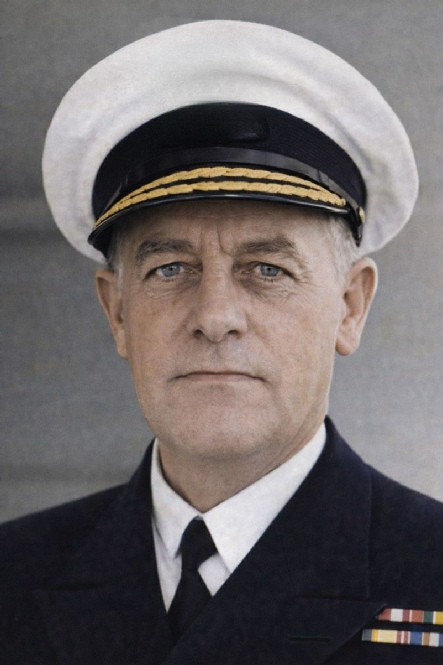
Cmdre Sir E H Thornton KBE RD RNR

“Chinny”

1941 - 1946

Career Summary

Captain Sir Ernest Hugh Thornton

Knight Bachelor • Commodore, Union-Castle Line • RNR Officer (RD)

(1884–1951)

Captain Sir Ernest Hugh Thornton was one of the most distinguished masters of the Union-Castle Line, rising from teenage apprentice to become Commodore of the fleet during the Second World War. Knighted for his exceptional wartime service, he remains one of the most highly honoured officers in the company’s history.

Early Life & Entry into the Merchant Service

Ernest Hugh Thornton was born on 21 January 1884 in Oxford. At age 16, he went to sea as an apprentice aboard the four-masted barque Matterhorn (1900), and later sailed in the steamer Vinebranch. After qualifying as First Mate, he joined the Union-Castle Line in 1906, beginning a long association with the company as Fifth Officer of the S.S. Norman.

First World War Service

Thornton received a commission in the Royal Naval Reserve in 1912. After gunnery and torpedo training at HMS Vernon, he joined the battlecruiser HMS Lion, flagship of Vice-Admiral Sir David Beatty. He served aboard her during:

Battle of Heligoland Bight (1914)

Battle of Dogger Bank (1915)

Battle of Jutland (1916)

In 1918 he transferred to the monitor M.22 before demobilisation in 1919, returning to Union-Castle.

Union-Castle Commands, 1919–1939

Thornton rose steadily through the ranks during the interwar years. By 1930 he was Chief Officer of Winchester Castle, and soon entered a long succession of commands, including:

Grantully Castle • Gloucester Castle • Durham Castle • Llanstephan Castle • Dromore Castle • Armadale Castle • Garth Castle • Dunluce Castle • Llangibby Castle • Dunvegan Castle • Edinburgh Castle

By the late 1930s he was regarded as one of the company’s most able and reliable masters.

Second World War: Commodore & Knighthood

In January 1939, Thornton took command of the new Capetown Castle, which was requisitioned as a troopship in 1940.

During the war:

He steamed over 484,000 miles

Carried 164,000 troops

Played a significant role in Operation Bolero, the American troop build-up prior to D-Day

In February 1941, he was appointed Commodore of the Union-Castle fleet

For his outstanding leadership and wartime service to the Merchant Navy, Thornton was knighted in 1944, becoming one of the very few Union-Castle officers ever to receive such an honour.

Later Years & Death

Sir Ernest Thornton retired after the war and settled near Nairobi, Kenya, partly for health reasons. He died there on 24 November 1951, aged 67.

Union-Castle Home Page
Previous Page Next Page
Union-Castle Home Page Home Page